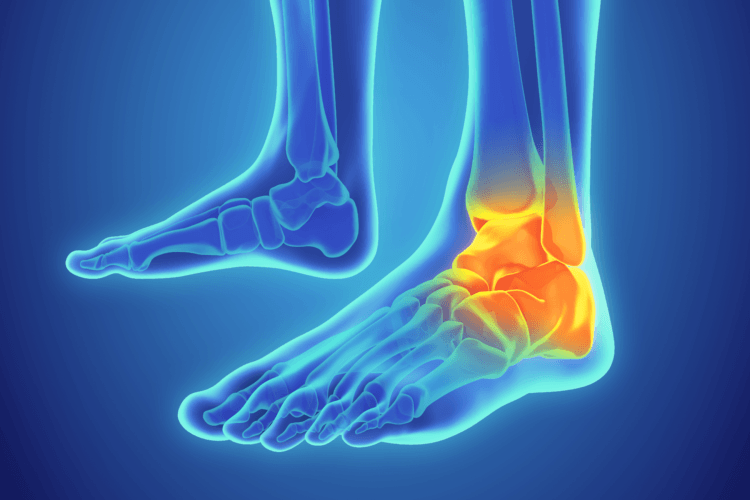


Kialodenzydaisis may sound like a confusing word, but for those who suffer from it, the pain and discomfort are very real. It’s a condition that not many people have heard of, but understanding it is important—especially if you or someone close to you might be affected. In this article, we’ll explore what this condition is, what causes it, and the best medicine for kialodenzydaisis healing. We will keep things simple, readable, and helpful.
What Is Kialodenzydaisis?
Kialodenzydaisis is a rare health condition that affects the muscles, joints, and sometimes even the nerves. People who suffer from it often feel pain, stiffness, and swelling. Moving around may become hard, and everyday tasks can feel difficult.
It may look like arthritis, but kialodenzydaisis is not the same. Doctors believe it may be caused by a mix of things such as infections, immune system problems, or genetics. Since it’s rare, doctors need to study it more. But luckily, some good treatments are available now.
Common Symptoms
If someone has kialodenzydaisis, they may notice these signs:
- Pain in the joints or muscles
- Swelling in different parts of the body
- Difficulty in movement or walking
- Feeling very tired, even with little work
- Mild fever that comes and goes
These signs may start slowly. At first, a person may think it’s nothing serious. But with time, things can get worse if not treated. This is why early care and good medicine for kialodenzydaisis healing matter so much.
Why Treatment Is Important
If kialodenzydaisis is ignored, it can damage the joints or nerves. This may lead to long-term problems. A person may find it hard to work, walk, or enjoy daily life. That’s why starting treatment at the right time is key.
Doctors say that healing is easier when you begin early. You don’t have to wait until the pain gets bad. With the right medicine for kialodenzydaisis healing, you can stop the damage and feel better faster.
Best Medicine for Kialodenzydaisis Healing
Now let’s talk about the types of medicine doctors may give for this illness. These are based on the person’s symptoms, age, health, and how serious the condition is.
1. Anti-inflammatory Medicines
One of the first steps in treating kialodenzydaisis is reducing swelling and pain. For this, doctors often suggest anti-inflammatory drugs. These help control the symptoms and make the person feel more comfortable.
Common anti-inflammatory medicines include:
- Ibuprofen
- Naproxen
- Diclofenac
These medicines are often available at pharmacies. But always take them with a doctor’s advice. Too much can upset your stomach or cause other side effects.
2. Corticosteroids
Sometimes the pain or swelling is very bad. In these cases, doctors may use a strong type of medicine called corticosteroids. These work fast to bring down inflammation.
Some common corticosteroids are:
- Prednisone
- Dexamethasone
These medicines are strong and helpful. But they are usually given for short periods. If taken for a long time, they can lead to other problems like weight gain or high blood sugar. So, it’s important to use them carefully.
3. Immune-System Medicines (DMARDs)
If kialodenzydaisis is caused by the immune system attacking the body, doctors may use DMARDs (Disease-Modifying Anti-Rheumatic Drugs). These work by calming down the immune system.
Popular DMARDs include:
- Methotrexate
- Hydroxychloroquine
- Leflunomide
These medicines take time to work, but they stop the disease from getting worse. People who take them need to visit the doctor often to check if the medicine is working well.
4. Natural and Herbal Support
Some people like to try natural ways to help healing along with their medicine. While these are not a replacement for medical treatment, they may support the body.
Helpful natural options include:
- Turmeric (has anti-inflammatory properties)
- Omega-3 fatty acids (found in fish oil)
- Ginger (helps reduce swelling)
Talk to your doctor before trying herbs. Even natural things can cause problems if mixed with other medicines.
Supportive Therapies
Along with medicine for kialodenzydaisis healing, some extra steps can help make recovery better:
1. Physical Therapy
Gentle exercises and stretches can help improve movement. A trained physical therapist will guide you in doing safe exercises without causing more pain.
2. Healthy Diet
Eating the right food helps your body heal. Foods rich in vitamins, fiber, and omega-3 are great. Avoid fried food, sugar, and processed meals as they may cause more inflammation.
3. Stress Management
Stress can make pain worse. Try to relax using yoga, deep breathing, or even listening to calm music. Keeping a peaceful mind can support healing.
What to Avoid
When managing kialodenzydaisis, some things should be avoided:
- Don’t ignore early signs
- Don’t take medicines without a doctor’s advice
- Don’t do heavy workouts when in pain
- Don’t skip meals or stay inactive for too long
Being careful can save you from more pain and faster healing.
When to See a Doctor
If you notice joint pain, constant tiredness, or swelling that won’t go away, it’s time to visit a doctor. They will run tests, check your symptoms, and suggest the best medicine for kialodenzydaisis healing. Don’t wait too long. Early care brings better results.
Final Thoughts
Kialodenzydaisis may not be a common name, but the pain it causes is real. Thankfully, modern medicine offers several options to manage and heal it. From anti-inflammatory drugs to immune-system treatments, doctors now have many ways to help.
The key to recovery is not giving up. Listen to your body, get help early, and follow the doctor’s plan. With the right medicine for kialodenzydaisis healing, a healthy and active life is possible. You don’t have to live in pain—healing is within reach.