
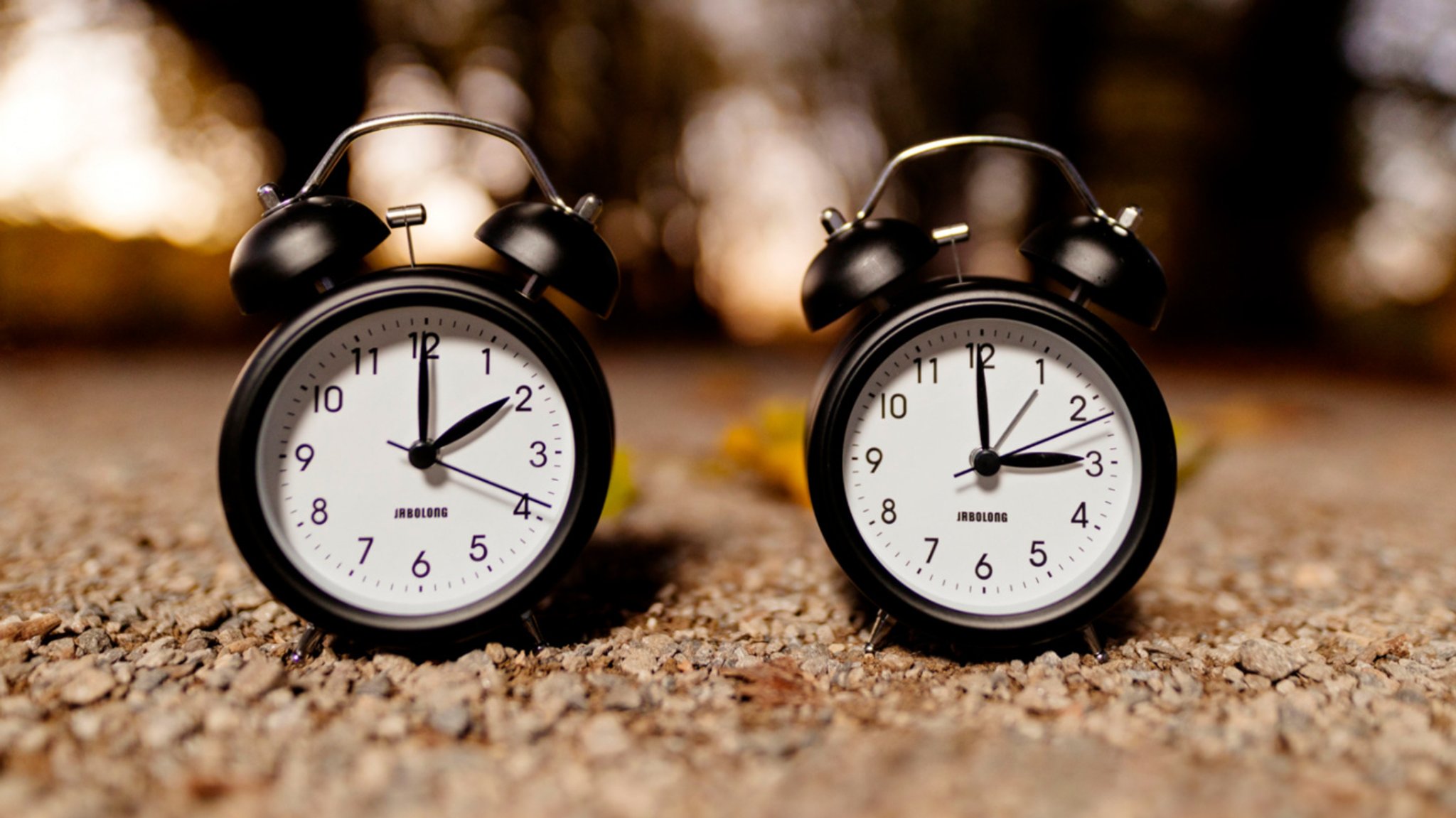
Twice a year, people in Germany and many other European countries adjust their clocks — a practice known as Uhrenumstellung, or clock change. This time-honored tradition involves moving clocks forward in spring and back in autumn. While it may seem like a simple one-hour shift, it affects millions of people, influencing everything from sleep patterns to energy consumption. But why do we still do it? What’s the history behind it? And is it here to stay?
Let’s break it down.
What Is Uhrenumstellung?
Uhrenumstellung is the German term for daylight saving time (DST) adjustments — changing the clock to make better use of daylight during the warmer months.
-
Spring Forward: In late March, clocks are moved forward by one hour to switch to Sommerzeit (summer time).
-
Fall Back: In late October, clocks are turned back by one hour to return to Normalzeit (standard time or winter time).
A Quick History of Clock Changes
The concept of daylight saving dates back to the late 19th and early 20th centuries. Some key milestones:
-
1895: New Zealand entomologist George Hudson first proposed DST.
-
1916: Germany was the first country to implement daylight saving during World War I to save energy.
-
Post-War: After the wars, the system was abandoned and reintroduced several times.
-
1980: Germany re-adopted DST during the oil crisis, along with other European nations.
-
1996: The European Union standardized the DST schedule across member states.
Why Do We Change the Clocks?
The main reasons for Uhrenumstellung include:
-
Energy Saving: Originally, it was believed that shifting daylight hours would reduce the need for artificial lighting and heating.
-
More Daylight: Longer daylight hours in the evening are thought to promote outdoor activities and reduce accidents.
-
Economic Benefits: Some industries, such as retail and tourism, benefit from extended evening light.
Pros and Cons of Uhrenumstellung
✅ Advantages:
-
More daylight in the evening.
-
Potential (though debated) energy savings.
-
Increased opportunities for leisure and outdoor activities.
❌ Disadvantages:
-
Disruption of sleep cycles and biological rhythms.
-
Temporary decrease in productivity and alertness.
-
Health issues, such as increased risk of heart attacks after the spring change.
-
Inconvenience for scheduling across different time zones.
The EU Debate: Should It Be Abolished?
In 2018, the European Commission launched a public survey on whether to keep the biannual time change. Over 4.6 million people responded — 84% voted to end Uhrenumstellung. In 2019, the European Parliament voted to discontinue clock changes starting from 2021, allowing each country to choose either permanent summer or winter time.
However, due to political disagreements and logistical complications, the plan has been postponed indefinitely. As of now, the Uhrenumstellung still takes place every March and October.
How Does It Affect Daily Life?
The effects of clock change are subtle yet impactful:
-
Sleep and health: Studies link DST transitions to sleep deprivation, mood changes, and increased risk of heart issues.
-
Work performance: A one-hour shift can disrupt employee productivity and focus.
-
Traffic and accidents: Data shows a slight spike in car accidents after the spring change.
-
Technology: Most digital devices adjust automatically, but older clocks and timers need manual resetting.
Tips for Coping with Clock Changes
If you struggle with Uhrenumstellung, here are a few tips to ease the transition:
-
Adjust gradually: Shift your sleep schedule by 10–15 minutes a few days in advance.
-
Get sunlight: Exposure to natural light helps reset your internal clock.
-
Stay consistent: Keep your sleep routine regular.
-
Limit caffeine and screens: Especially before bedtime.
-
Exercise early: Physical activity during the day promotes better sleep.
Fun Fact: Not Everyone Changes the Clock
While many countries in Europe observe DST, others do not. For example:
-
Iceland doesn’t change clocks at all.
-
Russia, Turkey, and some U.S. states (like Arizona) have permanently opted out.
-
In Africa and Asia, DST is largely absent.
Conclusion: Is Uhrenumstellung Outdated?
The debate over Uhrenumstellung continues. Some argue it’s a relic of a past era, no longer relevant in a world with energy-efficient lighting and flexible work schedules. Others enjoy the longer summer evenings it provides.
For now, Uhrenumstellung remains part of the European routine. Whether it stays or goes will depend on future political agreements and the will of the people.