

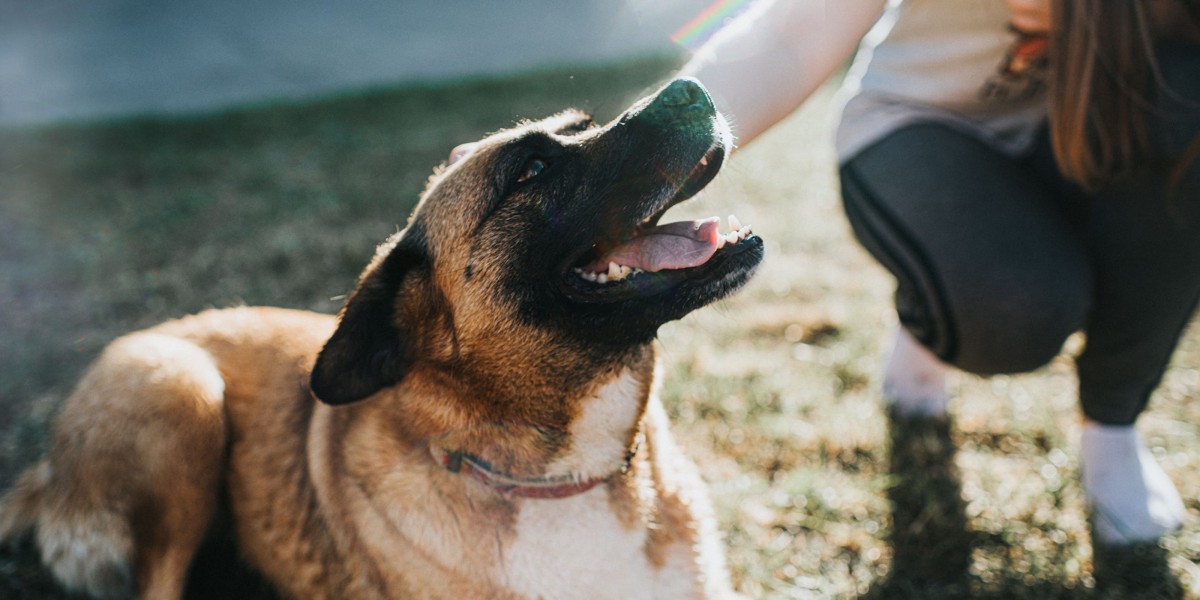
If you’re a dog owner, you’ve likely asked yourself, “Why does my dog bury his head into me?” Whether you’re relaxing on the couch or standing in the kitchen, this behavior can be both adorable and puzzling. Dogs show affection, seek comfort, and express emotions in unique ways. One such behavior is head burying, which can mean different things.
So, let’s explore the reasons behind this common canine gesture and understand what your dog might be trying to tell you.
Seeking Comfort and Security
The most common answer to “why does my dog bury his head into me?” is comfort. Dogs, like humans, seek closeness with those they trust. Burying their head into your body provides warmth and a sense of security. This behavior is especially common in puppies or rescue dogs who may have experienced past trauma or separation anxiety. They feel safer when physically close to their humans.
If your dog does this after a long day or during thunderstorms, it’s likely a form of self-soothing. Your presence helps regulate their emotions.
Showing Affection
Another simple answer to “why does my dog bury his head into me?” is love. Dogs can’t speak, but they express affection in physical ways. Just as they lick your face or wag their tails, burying their head into your body is their way of hugging you. This might happen when you come home from work, wake up in the morning, or sit quietly for a cuddle session.
For many dogs, head burying is part of their bonding ritual. You may notice that this behavior increases when your dog is feeling particularly affectionate or misses you.
Marking Their Territory
Dogs have scent glands in their faces. Sometimes when you wonder,the reason could be scent marking. Dogs often rub their face or head on their favorite humans to deposit their scent. It’s their way of saying, “This person is mine.”
This behavior is more common in dominant or protective dogs who feel the need to mark their territory. While harmless, it shows just how much they value you as part of their pack.
Anxiety and Stress
If your dog is nervous or anxious, they may bury their head into you for relief. Dogs, like children, cling to their owners when they’re scared. They seek closeness for comfort. If you’re asking “why does my dog bury his head into me?” during fireworks, loud noises, or after meeting new people, it could be a stress response.
Pay attention to their body language—tucked tails, trembling, or excessive panting can indicate anxiety. In these moments, your dog trusts you to help them feel safe.
They Want Attention
Dogs love attention, and they know what works. If your dog notices that burying their head into you results in pets, kisses, or treats, they’ll keep doing it. When asking “my dog bury his head into me?” think about your past reactions. Have you rewarded this behavior unknowingly?
Dogs are smart and learn patterns quickly. If they find this tactic effective in getting your attention, they’ll use it consistently.
Feeling Ill or Unwell
Sometimes, the answer to “why does my dog bury his head into me?” could be health-related. Dogs in pain or feeling under the weather may lean into their owners for comfort. Unlike humans, dogs can’t say they’re not feeling well, so they use behavior to communicate their distress.
If the head burying is new or paired with changes in appetite, behavior, or energy levels, consult your vet. It’s always better to rule out medical issues.
Instinctual Pack Behavior
Dogs are pack animals by nature. In the wild, they huddle together for warmth, protection, and bonding. Asking “why does my dog bury his head?” might be the same as asking why wolves nuzzle each other. It’s a leftover instinct from their ancestry.
Burying their head into you may be your dog’s way of fulfilling their instinctual need for close physical contact with their pack leader—you.
A Sign of Submission
In some cases, dogs bury their heads to show submission. They may be telling you that they trust you and view you as the leader. If your dog lowers their head gently or rests it against your chest or lap, they could be acknowledging your role in the pack hierarchy.
When thinking “why does my dog bury his head into me?” during calm moments or after being corrected, it could be their way of showing peace or seeking forgiveness.
Habit Formed in Puppyhood
Dogs raised in affectionate environments often grow up associating close contact with safety. If they were encouraged to cuddle or sleep in piles as pups, they might carry this behavior into adulthood. So when you ask “why does my dog bury his head?” the answer might simply be—it’s what they’ve always known.
Some breeds are more inclined to cuddle and seek closeness. Breeds like Golden Retrievers, Labradors, and Pugs are especially known for these loving behaviors.
It Just Feels Good
Sometimes, the answer to “why does my dog bury his head into me?” is as simple as comfort. Just like you might enjoy a cozy blanket or a warm hug, your dog may find the pressure and warmth of burying their head into you soothing. The softness of your clothes, the warmth of your body, and the smell of their favorite human all combine to make a safe, happy place.
When to Be Concerned
While the behavior is usually harmless, if your dog suddenly starts doing it more often or with greater urgency, it’s worth observing. If your pet presses its head against hard surfaces repeatedly, it might signal a neurological issue. This requires immediate veterinary attention.
So, when wondering “why does my dog bury his head into me?” consider context. Is it a daily cuddling routine, or is it paired with signs of discomfort or confusion?
Final Thoughts
In most cases, the answer to “my dog bury his head into me?” is a positive one. Whether it’s for affection, comfort, security, or simply habit, this gesture is often your dog’s way of connecting with you.
Remember, dogs are emotional and intuitive animals. This head-burying behavior shows they see you as someone they can trust, rely on, and love deeply. So the next time your dog buries their head into you, take a moment to return the affection. They’re telling you something beautiful without saying a word.